info@acsm.net.au
By The ACSM Team
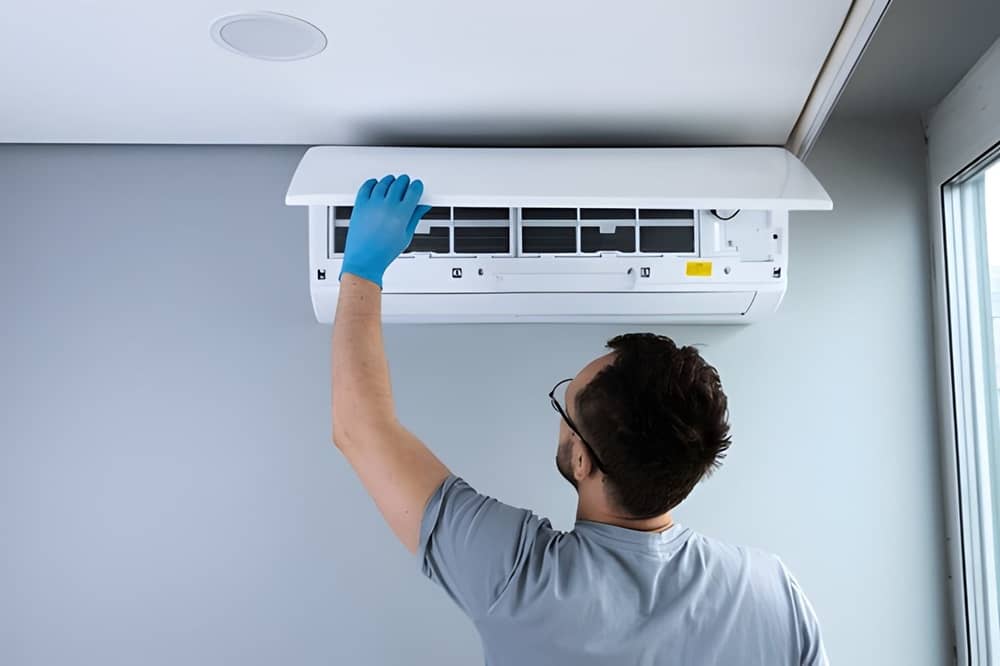
From customers to clients, employees, and equipment, air conditioning is incredibly important to the everyday operations of commercial businesses across Melbourne. This is why it’s so important to have your system serviced on a regular basis.
As experts in commercial air conditioning, we know that a service is the best way to keep your system safe, compliant, and fully functional. In this article, we’re going to explain why. Read on for a quick guide or contact us now to arrange an on-site inspection.
There is no single servicing schedule for every commercial air conditioning system. This is because a small office, a warehouse, a busy retail store and a large hotel can all have very different HVAC requirements.
For most commercial systems, however, servicing two to four times a year is a practical starting point. The right frequency depends on how the equipment is used, the environment it operates in and how important reliable heating and cooling is to the business.
Recommended servicing: Every 3–6 months
Warehouses and industrial buildings can expose air conditioning equipment to dust, debris, machinery and large changes in indoor and outdoor temperatures. Systems operating in particularly dusty or demanding environments may require more frequent maintenance.
Recommended servicing: Every 6–12 months
Office air conditioning typically operates during standard business hours, although larger workplaces may run their systems for longer periods. Larger offices with extensive ducted, zoned or centralised systems may benefit from servicing every six months.
Recommended servicing: Every 3–6 months
Retail spaces can place significant demands on air conditioning. Doors may open constantly throughout the day, customer numbers can fluctuate, and large open areas can require substantial cooling.
Recommended servicing: Every 3–6 months
Hotels can have air conditioning operating across guest rooms, reception areas, restaurants, function rooms and other shared spaces. High-occupancy areas and systems operating continuously may require more frequent attention.
Recommended servicing: Every 3–6 months
Restaurants, cafes, bars and other hospitality businesses can generate considerable internal heat from kitchens, cooking equipment, appliances, staff and customers. Air conditioning may also operate for long hours during trading periods.
Recommended servicing: Every 3–6 months
Cinemas, theatres, clubs and other entertainment venues can experience major changes in occupancy. In these settings, anything from large crowds to audio-visual equipment can all increase the heat load, and this places additional demands on HVAC systems.
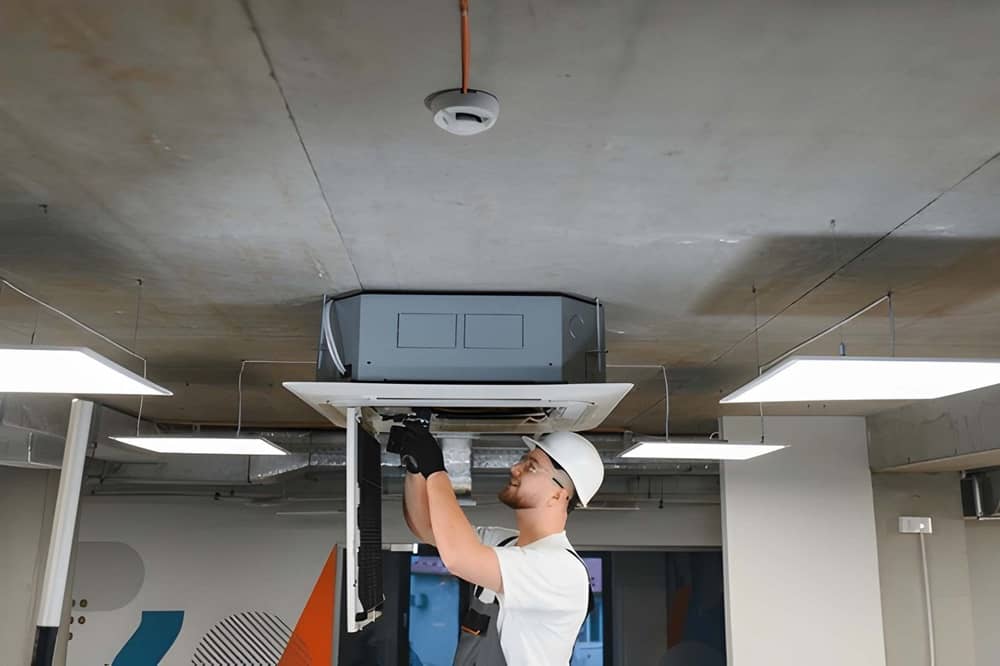
From offices to warehouses and everywhere in between, ACSM will help you remain cool in summer, warm in winter, and comfy all year long. We offer a range of commercial air conditioning service options across Melbourne.
The type of business is only one consideration. A maintenance schedule may also depend on:
Please note: these timeframes are general maintenance guidelines rather than fixed requirements. Some businesses may need more frequent servicing, while lightly used systems may require less frequent attention. Cooling towers and equipment covered by specific regulatory requirements have separate mandatory inspection, testing and maintenance schedules.
Regular commercial air conditioning maintenance is about more than keeping equipment operational.
No matter the setting, a properly maintained system will support workplace safety, help to manage energy consumption, maintain comfortable conditions and reduce the likelihood of unexpected breakdowns.
Here’s a more in-depth look.
In 2024, a serious outbreak of Legionnaires disease was believed to have been linked to cooling towers at a facility in Laverton North. According to Chief Health Officer Clare Looker, “the source of the outbreak was likely a cooling tower”, which is a key component of many commercial/larger scale air-conditioning systems (Source: ABC News Australia).
Instances such as this really illustrate the value of regular maintenance and testing.
For other systems, routine maintenance can identify problems such as contaminated filters, blocked drains, mould growth, poor airflow and faulty ventilation components before they become more serious.
Commercial air conditioning systems can fall under a range of workplace, building, electrical, plumbing and public health requirements. Regular maintenance helps identify potential hazards while providing the documentation needed to demonstrate that required work has been carried out.
As the owner of a business or building, this regular maintenance gives you a documented history of inspections, faults, repairs and testing. It’s also an opportunity to identify hazards such as damaged electrical components, mechanical failures, leaks and restricted ventilation before they create a workplace problem.
Running an air conditioning system (especially on a commercial scale) requires a substantial amount of energy. As a result, it’s easy for bills and costs to accumulate. Unfortunately, these costs can rise even higher if the system isn’t operating at peak efficiency.
As components become dirty or begin to deteriorate, the system may have to work harder to achieve the same temperature. It might be locked filters, dirty coils, restricted airflow, worn motors or problems with refrigerant performance. Whatever the issue, they can all affect how efficiently equipment operates.
Cleaning and correcting faults won’t automatically reduce your energy bills, but it can help to stop the system from wasting energy because of avoidable maintenance issues.
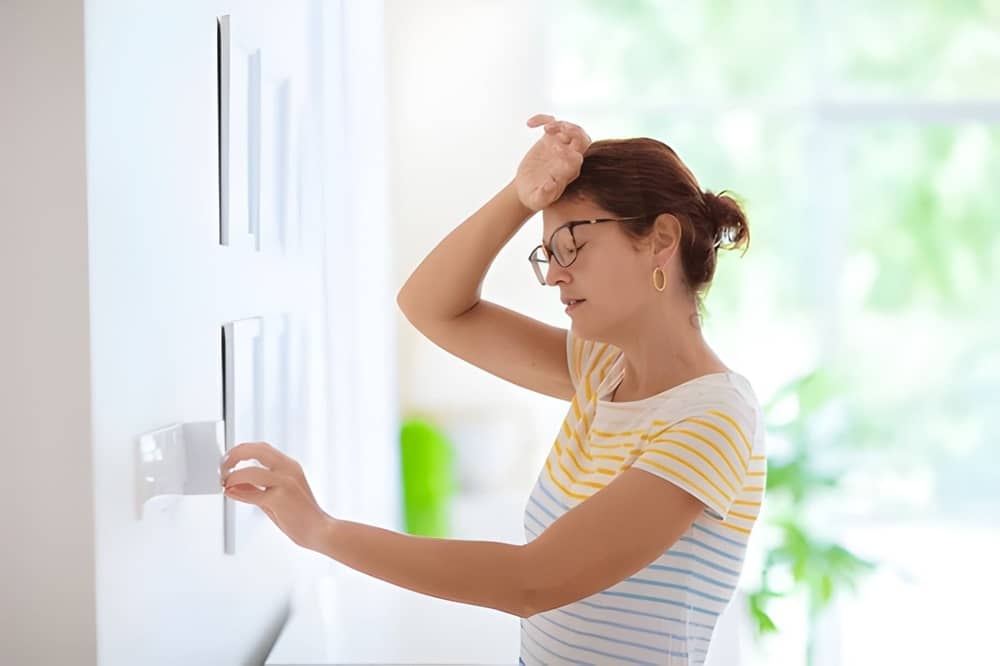
Even if an air conditioning system technically works, that doesn’t mean it is necessarily performing well. A building can still have hot and cold spots, weak airflow or inconsistent temperatures if the equipment, ductwork, sensors or controls aren’t operating correctly.
Regular maintenance can help keep temperatures and airflow more consistent throughout the building. This really makes a big difference in offices, retail stores, hospitality venues and any other workplace where people spend a significant time indoors.
It also provides an opportunity to check thermostats, sensors, dampers and newer control systems. If a connected thermostat or building management system is receiving incorrect readings, for example, the air conditioning may respond in ways that leave certain areas uncomfortable.
For some businesses, maintaining the right temperature is about protecting products as much as it is about keeping people comfortable.
A failure in a warehouse, retail store, food business or other temperature-sensitive environment can expose stock to unsuitable conditions. The consequences can range from reduced product quality to significant financial losses, depending on what is being stored.
Regular maintenance can reduce the likelihood of an unexpected breakdown by identifying worn components and developing faults before they cause a complete system failure.
No matter the size of your commercial property, our qualified technicians can design, install, and maintain heating and cooling systems that will keep your employees, guests, and visitors comfortable. To discover more about our commercial climate services, you’re welcome to call us on (03) 9988 8580.
When you partner with ACSM, your tenants can remain cool in the summer and warm in the winter thanks to the exceptional climate control solutions. We’re comfortable with all of the leading brands and manufacturers, as well as fully licensed and insured.
Get in touch with us to book your next commercial air conditioning service!
Not automatically, and this catches a lot of buildings. Part 4 of the Plumbing Regulations 2018 excludes the cleaning of a cooling tower, any treatment of cooling or heating water, and work on a drift eliminator from the definition of mechanical services work.
No. Maintaining a mechanical heating, cooling or ventilation system in a building is mechanical services work under Part 4 of the Plumbing Regulations 2018, which means it must be carried out by a person registered or licensed in that class.
Yes. After-hours servicing can be useful for businesses that cannot afford to shut down their air conditioning during trading or operating hours. Retail stores, hotels, restaurants and entertainment venues can often arrange maintenance before opening, after closing or during quieter periods.
No. The work involved depends on the type of system and the building. A split system will have different servicing requirements from a ducted system, chiller, air handling unit or cooling tower. Your maintenance agreement should clearly state which equipment is covered and what inspections and tests are included.
Regular servicing can identify worn, damaged or poorly performing components before they develop into larger faults. It cannot prevent every breakdown, particularly with older equipment or components that fail unexpectedly, but preventative maintenance can reduce the likelihood of avoidable failures.