info@acsm.net.au
The projections are in. In the upcoming spring and summer, Australia is about to experience what has been dubbed a “Super El Niño” (ABC News Australia). With this weather phenomenon comes an increased risk for rainfall, drought, and extreme temperatures.
Here in Melbourne, this could mean a summer with multiple days of over 35 degrees, and it’s these boiling hot days when we rely on our air conditioners the most. Luckily, there are steps you can take to get your air conditioner prepared for what’s to come.
Below, we’ve compiled some tips and tricks on what to do in the lead up to summer.
You don’t need to pull your air conditioner apart to get it ready for summer. A few simple checks can catch obvious problems before you need the system every day.
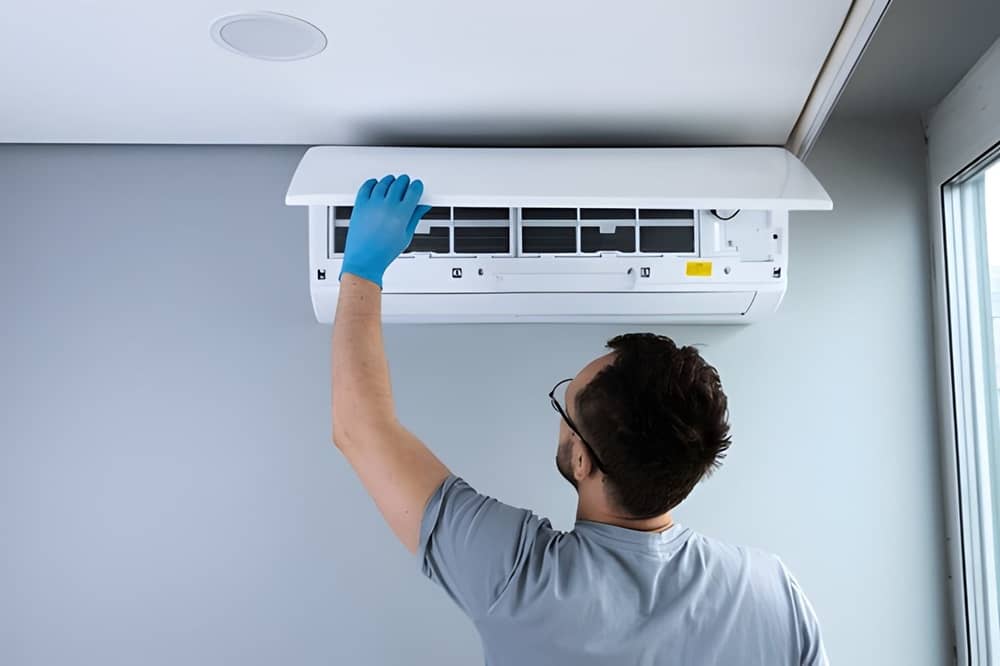
Dirty filters restrict airflow and make the system work harder. Remove the filters according to the manufacturer’s instructions, clean them and let them dry completely before putting them back.
Clear away leaves, grass, weeds and other debris around the outdoor condenser. Give it plenty of space to move air, but don’t try to hose down or dismantle the unit unless the manufacturer specifically says you can.
Turn the system on in cooling mode on a mild day and let it run for a while. Check that cool air is coming from the vents or indoor unit and listen for anything unusual, such as rattling, grinding or repeated clicking.
Make sure the system is set to cooling mode, rather than fan, dry, heating or auto. Newer systems may also have eco, economy or power-saving modes that can help reduce energy use once you’ve confirmed everything is working properly.
Your air conditioner doesn’t have to do all the work. Close blinds and curtains during the hottest part of the day, shade sun-facing windows and use ceiling or portable fans to keep air moving. These steps may sound simple, but they really can reduce the amount of heat entering the home.
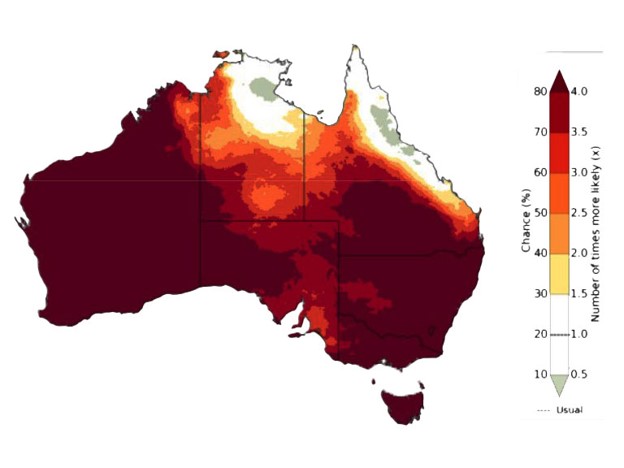
Spring daytime temperature projections in Australia: ABC News Australia
A DIY check is useful, but it can’t tell you everything that’s happening inside the system. If the air conditioner hasn’t been serviced for a while, spring is a great time to have a professional look at it.
After a date and time have been finalised, a technician will come out to your property to inspect the system, check its operation and look for issues that aren’t obvious from the outside. Depending on the type of air conditioner, this may include checking the filters, coils, electrical components, refrigerant system, Wi-Fi features, smart connectivity, drainage, fans and overall performance.
There’s no doubt that getting problems sorted before summer gives you time to organise repairs or replacement parts without waiting until the next heatwave. Of course, it can also help your system run more efficiently once you’re using it regularly.
Spring is generally a good time to book a service, but any time of the year is suitable. If you’ve already noticed poor cooling, unusual noises, water leaks, ice or repeated faults, there’s no need to wait for summer. Book a technician now.
A hot day naturally increases the amount of heat entering the home, especially if the property gets a lot of afternoon sun.
Here’s why they tend to struggle.
From April to November, your air conditioner might only need to remove a moderate amount of heat from your home. Once Melbourne heats up, much more heat is coming in through the roof, walls and windows, so the system has to run for longer to keep up.
A dirty filter, restricted airflow, dusty outdoor condenser or worn fan might not cause obvious problems when the weather is mild. On a really hot day, though, the system has far less room to compensate and may run constantly without reaching the temperature you’ve set.
When the air conditioner runs for hours at a time, components such as the compressor, outdoor fan and electrical controls are working harder. If something is already worn or developing a fault, a very hot day can be when it finally gives out.
Your outdoor condenser has to get rid of the heat taken from inside your home. Dirt, vegetation and direct afternoon sunlight can make that job harder. Sustainability Victoria recommends shading outdoor air conditioning units and windows from direct sunlight (Source: Sustainability Victoria).
An air conditioner that is just large enough for your home might cope reasonably well on a 25°C day but struggle once temperatures climb into the high 30s. If you’ve added an extension, changed the layout or made other changes to the home, the cooling load may also be higher than it was when the system was installed.
ACSM is a family-owned and operated business offering top-tier domestic and commercial air conditioning services. Led by an expert team, we’re able to work on units and systems from a range of different major brands, including:
It doesn’t matter if we’re working on a smaller household job or a larger commercial project. No matter the situation, expect nothing less than unbeatable customer support, clear communication, professional workmanship, and competitive pricing.
While on-site, our qualified technicians can service and repair your air conditioning so that it’s ready for the summer ahead. ACSM team members have up-to-date and relevant first aid training, on top of in-depth working knowledge with all OH&S industry regulations, to ensure your complete peace of mind.
Airflow problems are among the most common air conditioner issues. Dirty filters, blocked coils and clogged condensate drains can all restrict airflow or affect performance. Electrical components such as capacitors and fan motors can also fail over time.
Once a year is a good general starting point, with spring being a practical time to book a service before the warmer months. Your manufacturer’s recommendations should take priority. If you have pets, allergies or a particularly dusty home, you may need to clean the filters more often. When in doubt, it’s always best to get in touch with us for anything related to air conditioning in Melbourne.
Yes. Cleaning the filters is one of the easiest things you can do yourself and can help your system run efficiently. Remove the filters, wash them in lukewarm water and let them dry completely before putting them back. Leave electrical components, refrigerant systems and internal repairs to a licensed technician.
It can. Air conditioners often have to work much harder on very hot days, so a minor problem may not become obvious until the system is under heavy load. Regular servicing can also pick up issues that could affect performance or increase energy use before they turn into a bigger repair.
It depends on the problem and the parts or labour involved. A simple component replacement can cost considerably less than a refrigerant leak or major electrical fault. Before work starts, ask about the call-out or diagnostic fee and whether you’ll receive a quote before the repair goes ahead.