info@acsm.net.au
By The ACSM Team
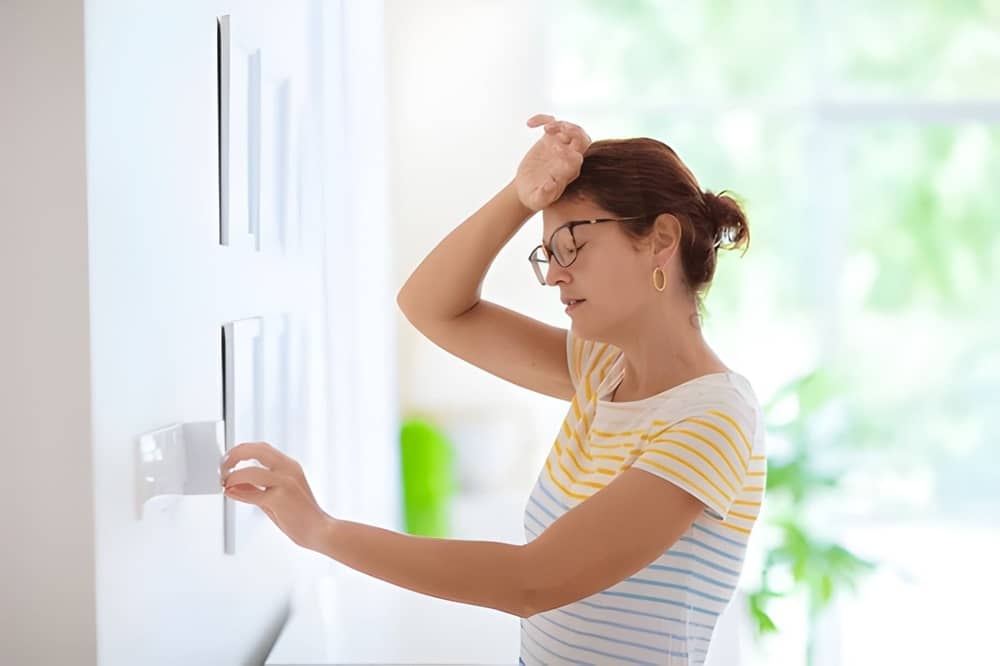
At the height of a Melbourne summer, the last thing you want is an air conditioner that can’t cool. It’s uncomfortable, inconvenient, and quickly burns a hole in your pocket. Unfortunately, this is more a common issue than you might think, but why exactly is it happening?
In this article, we’re going to take a look at some of the most common reasons why your air conditioner is running but not cooling.
It might sound obvious, but sometimes the underlying issue is something fairly simple.
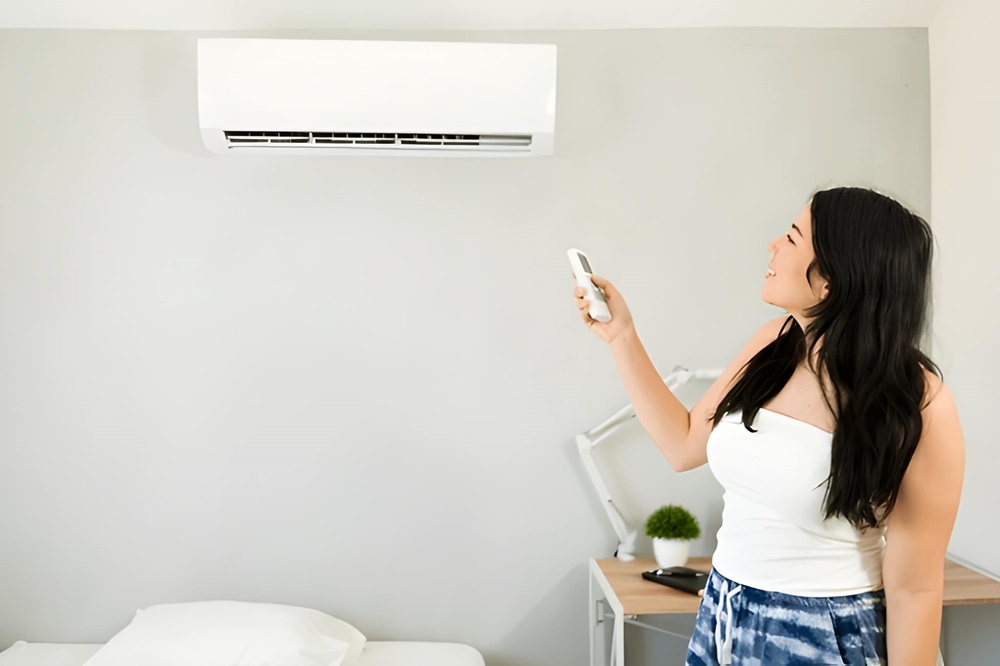
The first thing to do is confirm the mode and temperature setting.
Newer air conditioners tend to have a wide range of different modes, which can include everything from auto to cool, dry, eco, fan, heat, and more. If the system is set to the wrong mode, it’s unlikely to provide the relief you need.
Even if the temperature is set relatively low (such as below 23 degrees), it still won’t pump out cool air if it’s working to the wrong setting.
‘Air conditioning’ can refer to various different types of units and systems, so let’s explore how this issue shows up for those used by most Melbournians.
Split systems from Daikin, Mitsubishi Electric, Fujitsu, LG, and Panasonic are usually reliable and easy to operate. However, even these systems aren’t immune to issues from time to time.
If the unit is running but not cooling, some common causes include:
Ducted systems naturally have more components to consider, including ductwork and zoning controls. In this case, a cooling issue could be the result of:
Because evaporative coolers rely on water, cooling pads and airflow, the causes are quite different from refrigerated systems.
We built ACSM to handle ANY type of repair and installation service our clients need. So whatever’s behind your cooling issue, we’ll get to the bottom of it.
Sometimes, the issue is more about the age of the system itself. Just like a car or household electrical appliance, air con experiences a lot of wear and tear over the years. Most air conditioning systems also have a certain shelf life.
Split systems: 10–15 years: Well-maintained systems from brands such as Daikin, Mitsubishi Electric and Fujitsu can commonly last around 10 to 15 years.
Ducted reverse cycle systems: 12–15 years: Quality ducted systems can often last 12 to 15 years, although individual components may need repairs or replacement along the way.
Evaporative coolers: 10–15 years: Evaporative systems generally last around 10 to 15 years, with cooling pads, pumps and other components often needing attention sooner.
Older or poorly maintained systems: 7–10 years: Heavy use, neglected maintenance, dirty filters and poor airflow can shorten the system’s working life.
Well-maintained systems: 15+ years: Some systems can continue operating beyond their typical lifespan when they have been regularly serviced and kept in good condition.
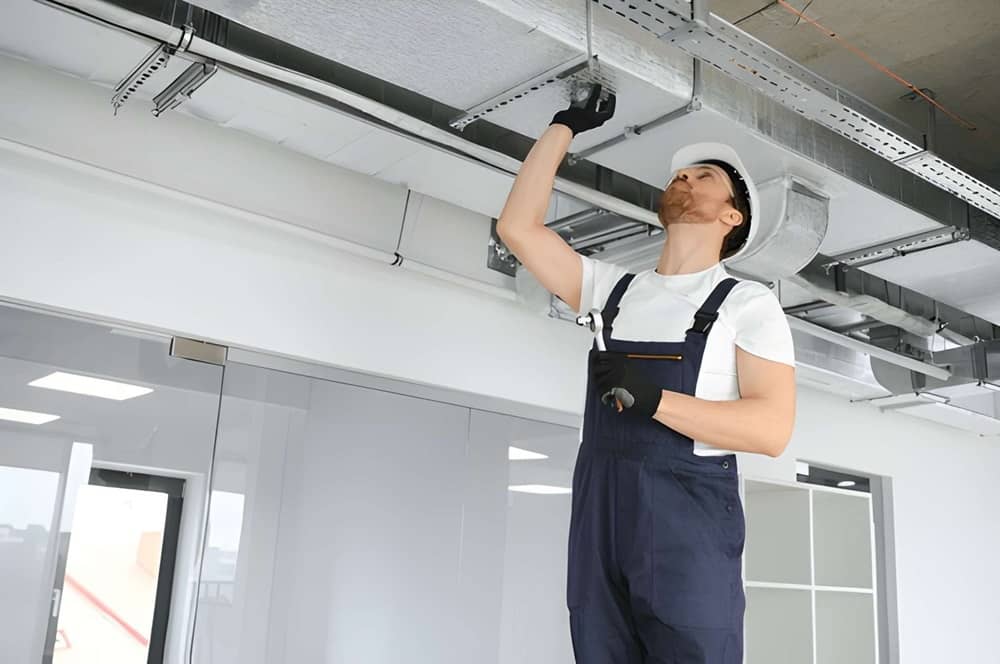
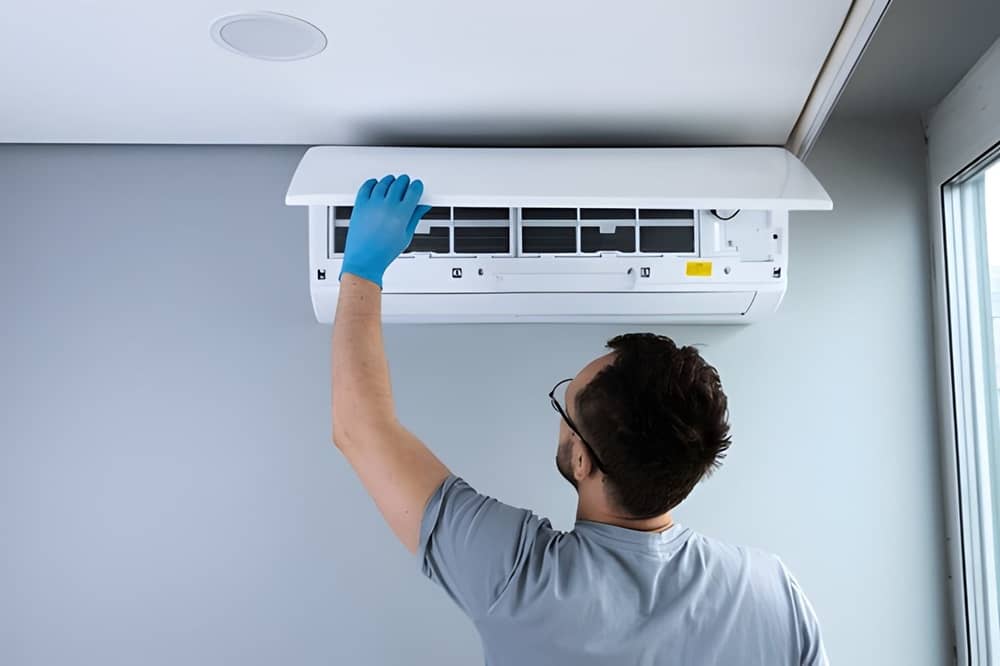
Of course, it never hurts to get a professional opinion. At ACSM, we have qualified technicians with years of hands-on experience and expertise. Our team can inspect, service, repair, or replace a wide range of air con systems from the biggest brands on the market today.
If your system is acting up or no longer cooling as it should be, ACSM Air is just the team to call. From split systems to reverse cycle, we offer expert support that’s second to none. Our technicians are licensed, insured, and trained to fix a wide range of different issues.
We’re based in Keysborough, and can inspect, service, repair and upgrade air conditioning systems across Melbourne’s South-East.
Yes, it is generally best to switch it off until you know what is wrong. This avoids wasting electricity and can prevent further strain on the system. If you notice a burning smell or repeated circuit breaker trips, leave it off and arrange a professional inspection.
Set your air conditioner to cooling mode and aim for 24°C to 26°C in living areas. Sustainability Victoria notes that every degree lower in summer can increase running costs by around 10% (Source: Sustainability Victoria). Many newer systems also have Eco, Economy or power-saving modes, which can help reduce energy use while keeping the room comfortable.
Start by checking that it’s set to the right mode or temperature setting. If that doesn’t work, call ACSM and we’ll send a qualified technician to inspect it as soon as it can be arranged. We know air conditioning systems back to front, and will be able to provide an honest assessment of why this might be occurring.
Check that the system is in cooling mode, the temperature is set correctly and the outdoor unit has plenty of clear space around it. If it still isn’t cooling, particularly if the indoor coil is freezing, there could be a refrigerant or component fault that requires professional attention.
Unless the issue is something very minor, booking in a service is always a smart move. This is a great way to keep your air conditioning system efficient, functional, and effective. During the service, a technician may also pick up on anything that needs further work or repairs.